How might a sports visual system communicate speed through atmosphere rather than slogans?
Concept Visual
Neon-NIKE
Impact
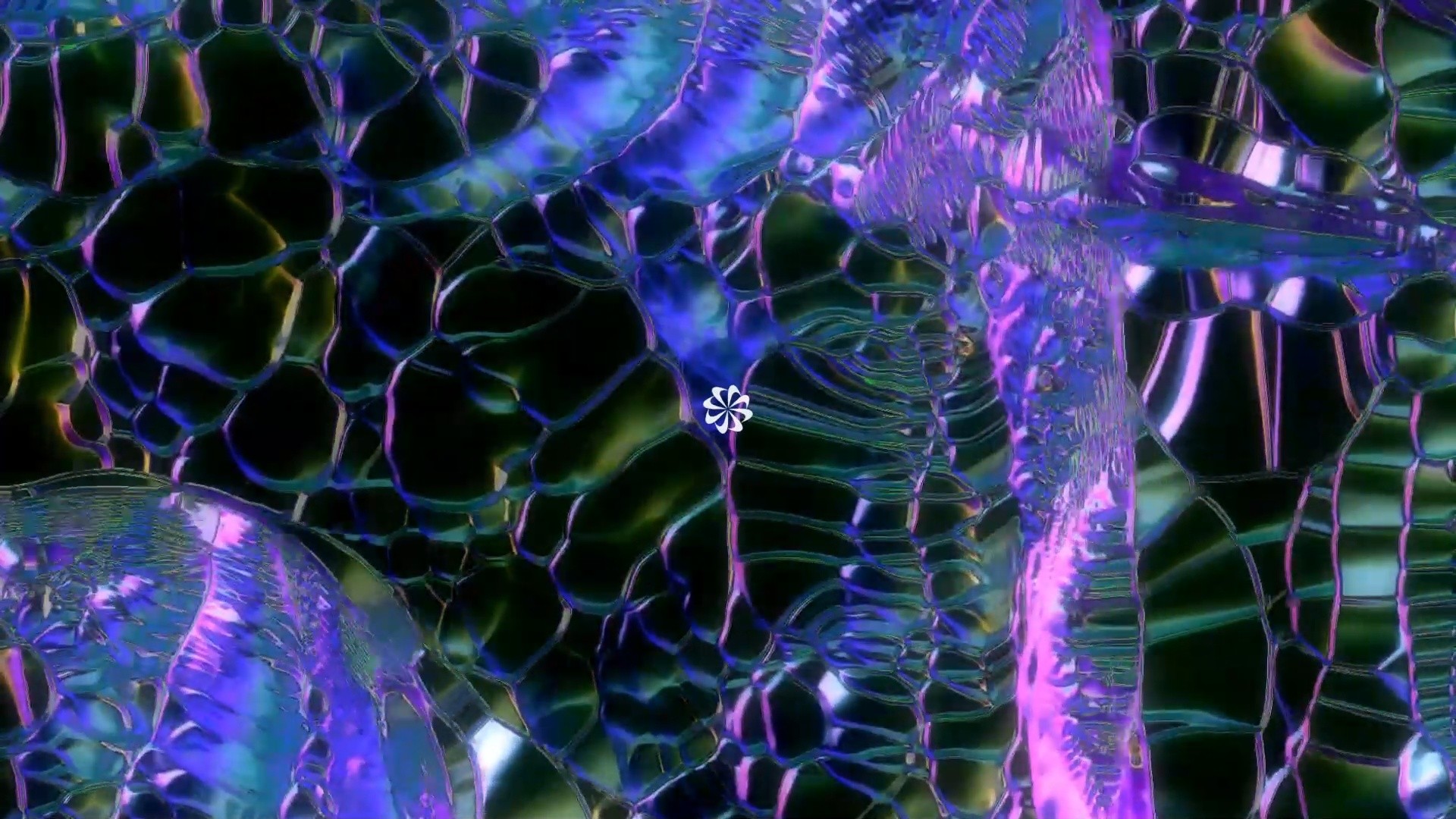
A self-initiated motion and visual-system concept exploring how a performance brand could feel more nocturnal, kinetic, and urban.
Role
Timeline
Team
The Challenge
The problem was not to redesign a brand identity. It was to test how a familiar sports language could shift atmosphere through light, speed, and surface.
Design logic
Questions & Key Decisions
What happens when the city becomes the motion surface for a performance brand?
01Key decisionLet light become the brand behaviourA logo-heavy study would feel like a mock campaign instead of a design exploration.
- Problem
- A logo-heavy study would feel like a mock campaign instead of a design exploration.
- Decision
- I used neon light, contrast, and motion texture as the primary system.
- Why it worked
- Light can imply speed and intensity without over-explaining the concept.
- Outcome
- The work stays visual, immediate, and more premium.
02Key decisionCrop for movementCentered compositions made the study feel like a poster.
- Problem
- Centered compositions made the study feel like a poster.
- Decision
- I used tighter, more cinematic cropping to create a sense of motion beyond the frame.
- Why it worked
- The viewer reads the composition as part of an ongoing sequence.
- Outcome
- The concept feels closer to motion direction than static graphic design.
Research & Discovery
I studied how performance visuals often rely on heroic product shots. The opportunity was to make the environment feel active too: neon, motion blur, rhythm, and city energy.
Design Strategy
I treated the work as an atmosphere system. Instead of adding more logos or copy, the direction uses light behaviour and motion pacing to imply speed.
Implementation & Pipeline
The study combines graphic composition, moving texture, and cinematic cropping into a compact visual direction.
Results & Impact
The outcome is a visual experiment that shows how motion language can carry brand energy without relying on a campaign narrative.
Lessons Learned
The strongest brand studies do not need to explain the brand. They need to create a recognisable feeling quickly.
What's Next
A fuller version could extend the system into product cards, launch screens, and event graphics.
Continue exploring