How might a workplace dining service remember taste without feeling intrusive?
Service Design, Product UX, AI
SmaTasteDesigning a taste-first canteen service.
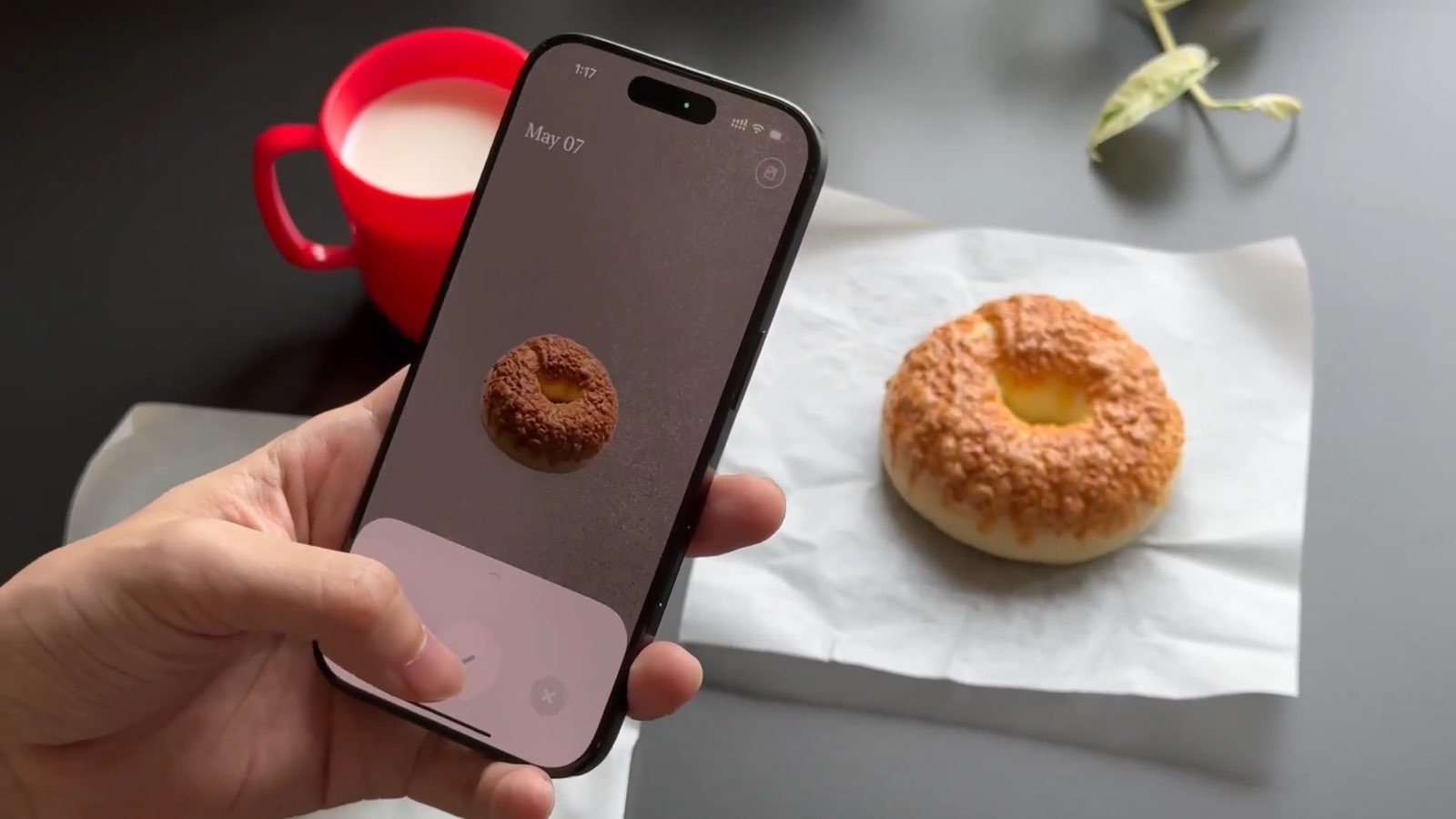
SmaTaste reframes the workplace canteen as a two-sided service: diners tune a personal Smart Taste Index, while kitchens receive aggregated demand signals for planning, recipes, and procurement.
Impact
A two-sided workplace dining service for Sodexo: diners get an explainable preference memory, while kitchens receive aggregated demand signals for menu planning, recipe generation, and procurement.
Role
Timeline
Team
The Challenge
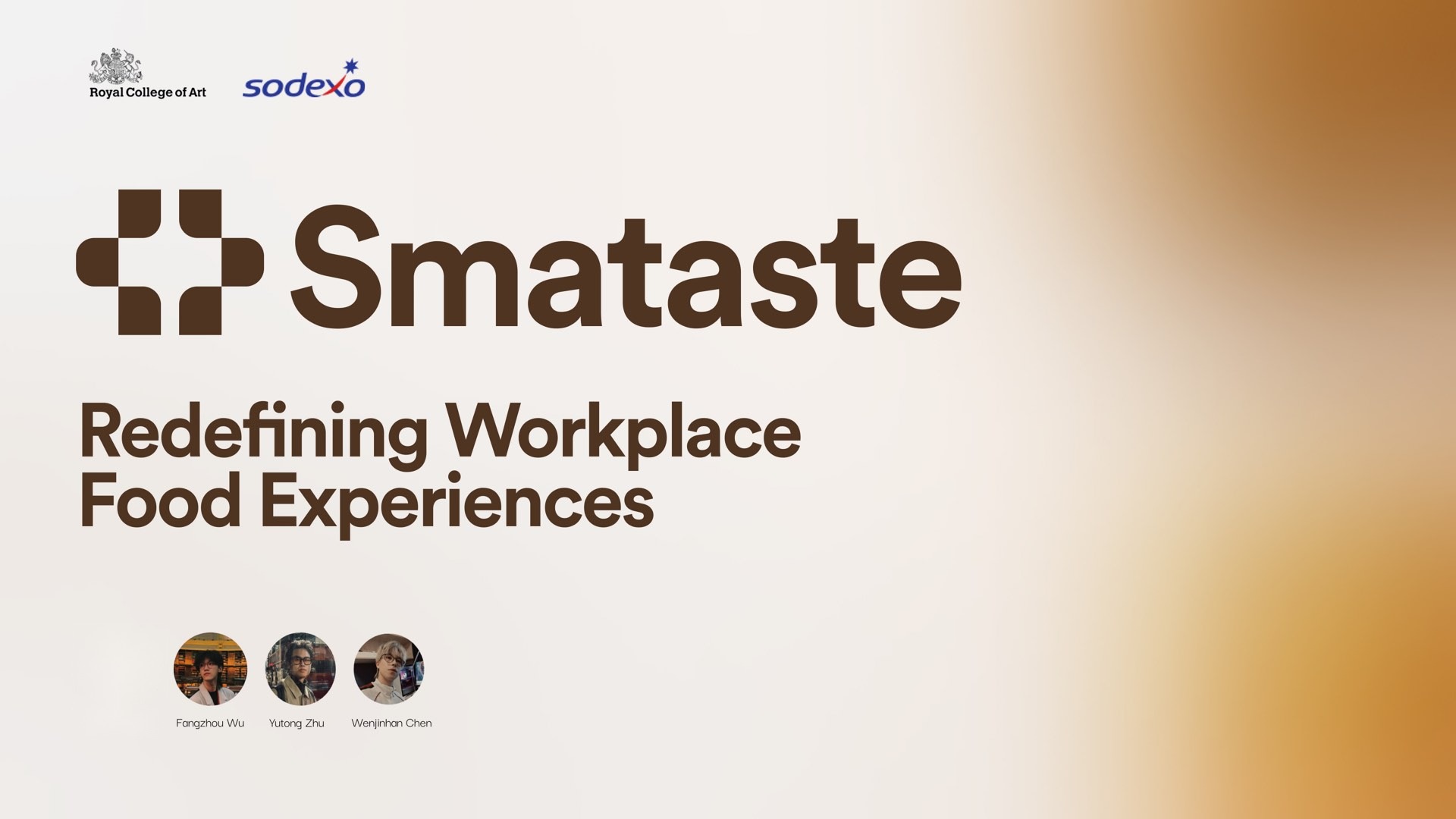
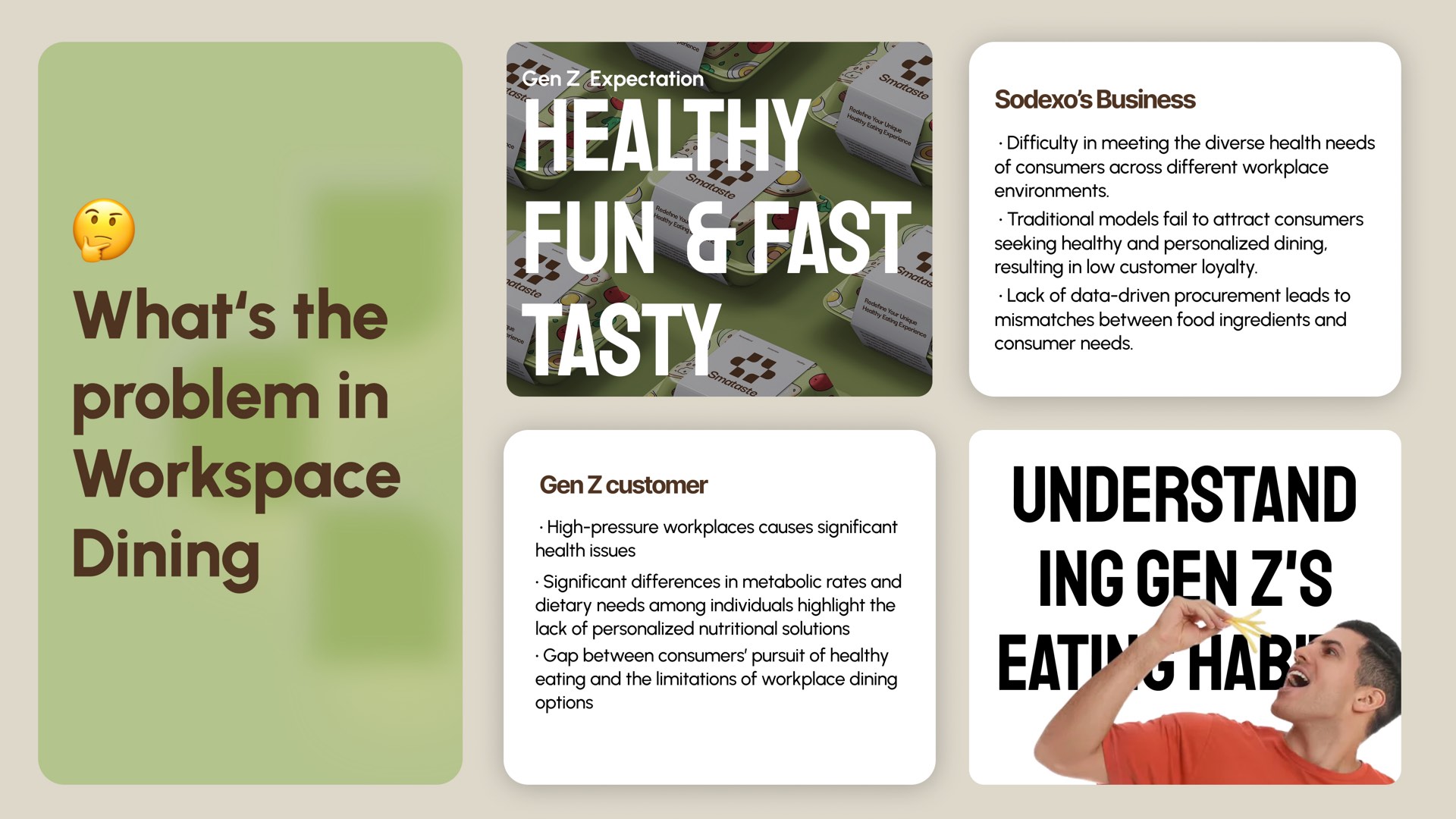
Sodexo asked us, through the RCA and Sodexo AiD Lab studio project, to design an interdisciplinary intervention for food service digitalisation with implementation in mind for the next 2 to 5 years. The brief was wide: deliver a top-tier consumer experience for hybrid-working Gen Z, while addressing social, societal, and environmental impacts.
The useful design question was narrower: how can a canteen remember taste without becoming intrusive, and how can kitchens use that signal without adding more manual work?
Design logic
Questions & Key Decisions
01Key decisionSplit the system into diner memory and kitchen signalA single AI recommendation layer helped diners but did not solve the kitchen team's uncertainty around...
- Problem
- A single AI recommendation layer helped diners but did not solve the kitchen team's uncertainty around demand, waste, and prep.
- Decision
- I designed two paired AI models: a personal taste memory for diners and an aggregated taste-prediction signal for chefs.
- Why it worked
- The split respects two different users. Diners need agency and relevance; kitchens need planning confidence, not individual surveillance.
- Outcome
- the prototype links mobile preference setup, meal recommendation, kitchen dashboard, forecasting, and recipe generation in one service loop.
02Key decisionExpose the Taste Index as a trust surfaceIf AI silently changes meal options, diners have little reason to trust or correct the system.
- Problem
- If AI silently changes meal options, diners have little reason to trust or correct the system.
- Decision
- I made the Smart Taste Index visible and adjustable through lightweight mobile moments and kitchen-side summaries.
- Why it worked
- A visible index turns prediction into a conversation: diners can understand what the system thinks it knows, and kitchens can see patterns without reading private profiles.
- Outcome
- the Smart Taste Index appears in both diner-facing recommendation moments and kitchen-side summaries, making the AI logic reviewable.
Research & Discovery
The team ran 15 user interviews, reviewed comparable healthy food services, studied Sodexo internal customer-habit research, and tested recommendation logic through prototypes.
One insight redirected the project: users did not reject healthy food, they rejected food that felt generic or untasty. The word spicy became a useful proof point because it means different sensory experiences across cultures. That supported the hypothesis that taste needs to be modelled as personal and contextual, not as a flat menu label.
Design Strategy
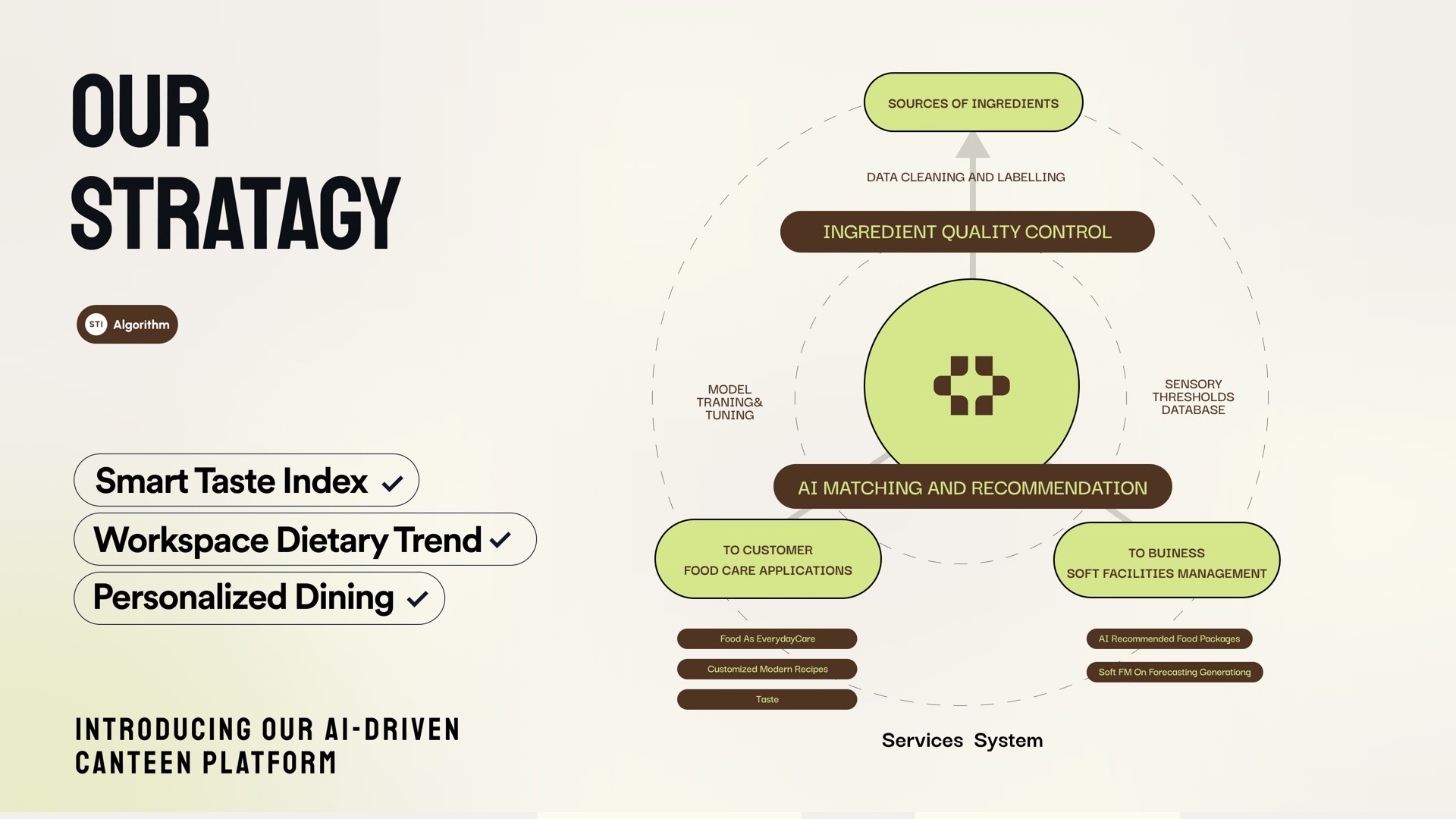
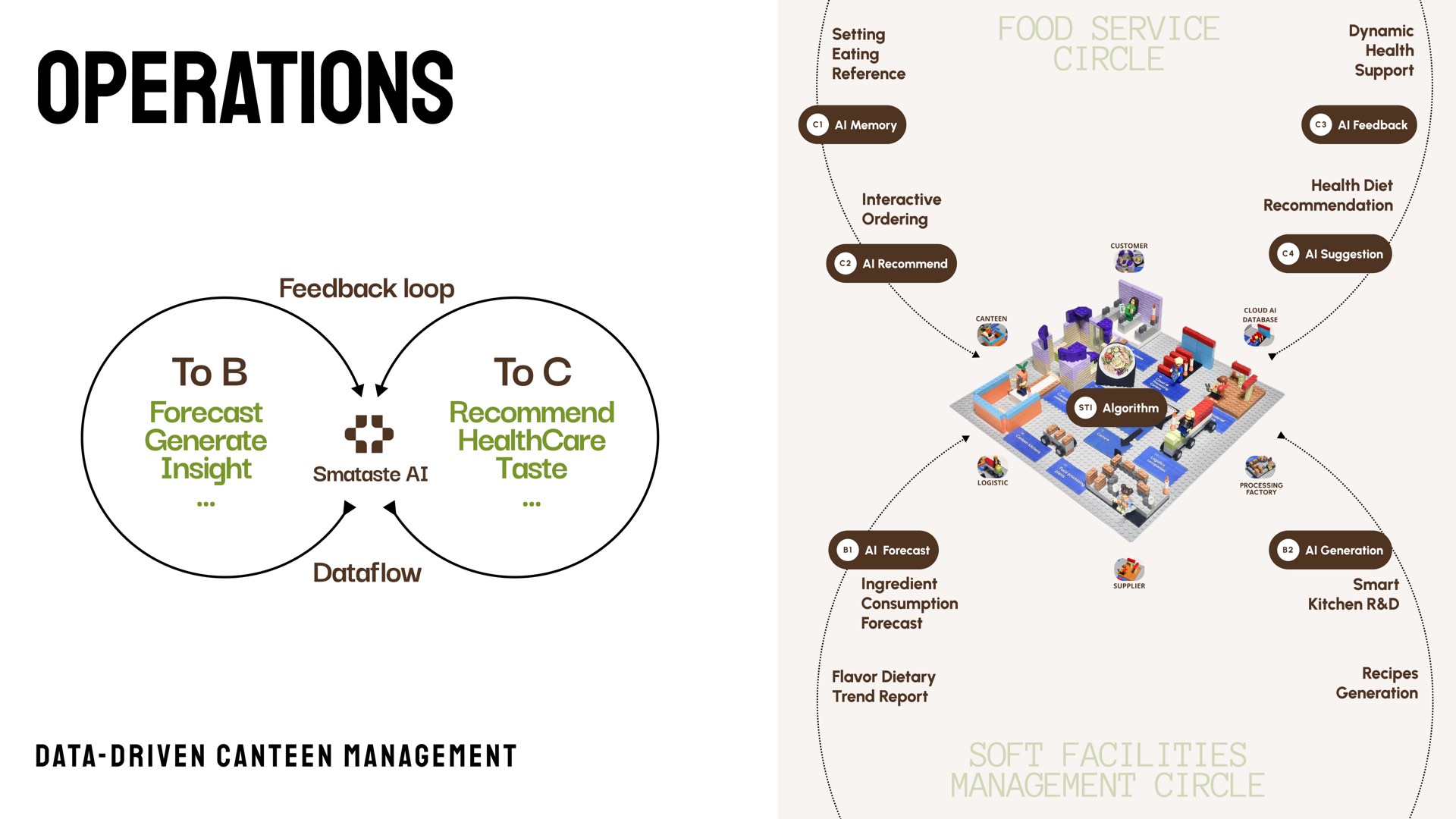
I split the system into two linked loops. The diner loop stores preference, explains recommendations, and lets people correct the Smart Taste Index. The kitchen loop translates aggregated patterns into ingredient forecasts, recipe suggestions, and flavour trend reports.
This kept the AI valuable for both sides: diners receive agency and relevance; kitchens receive planning confidence without reading private profiles.
Implementation & Pipeline
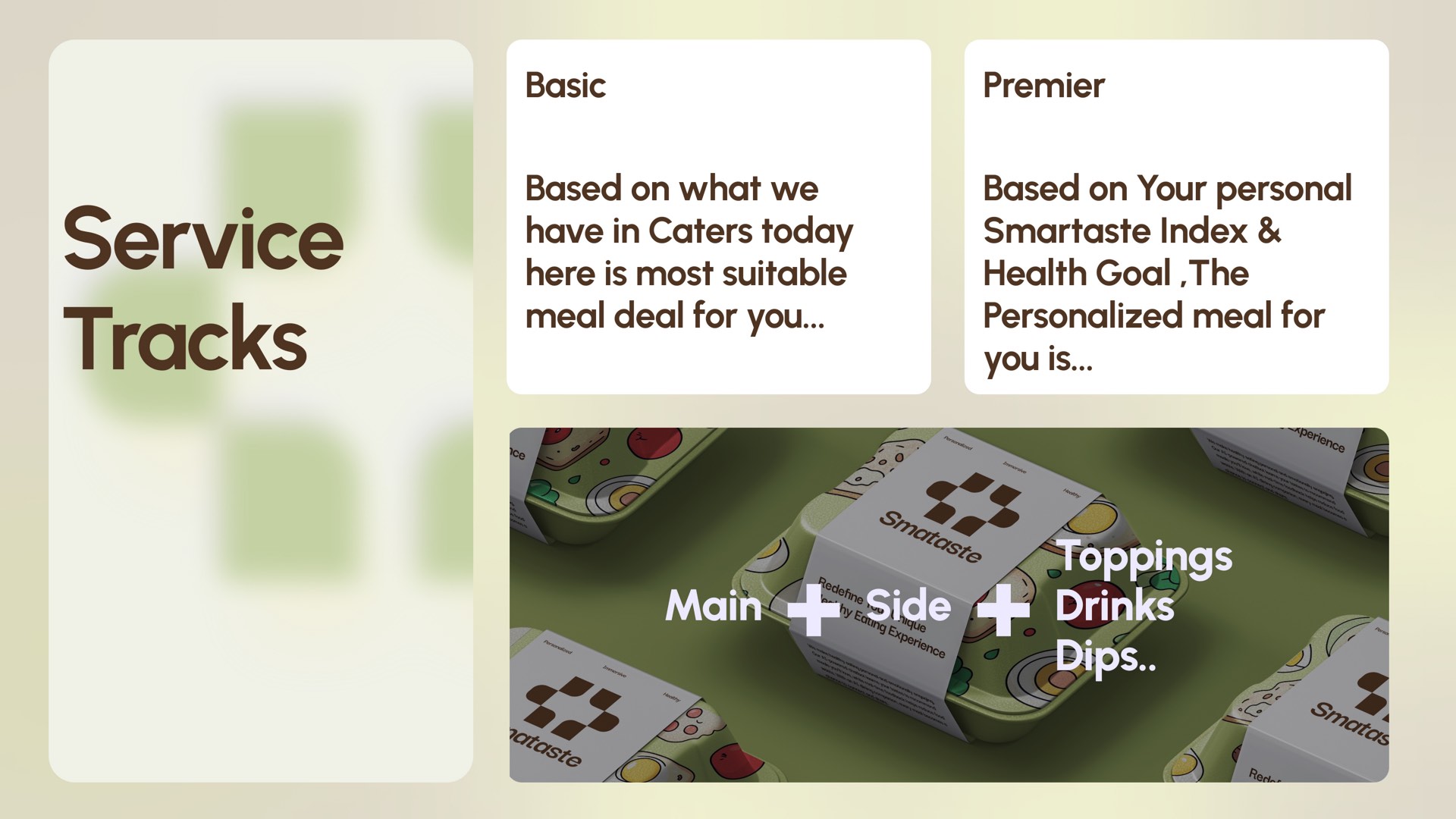
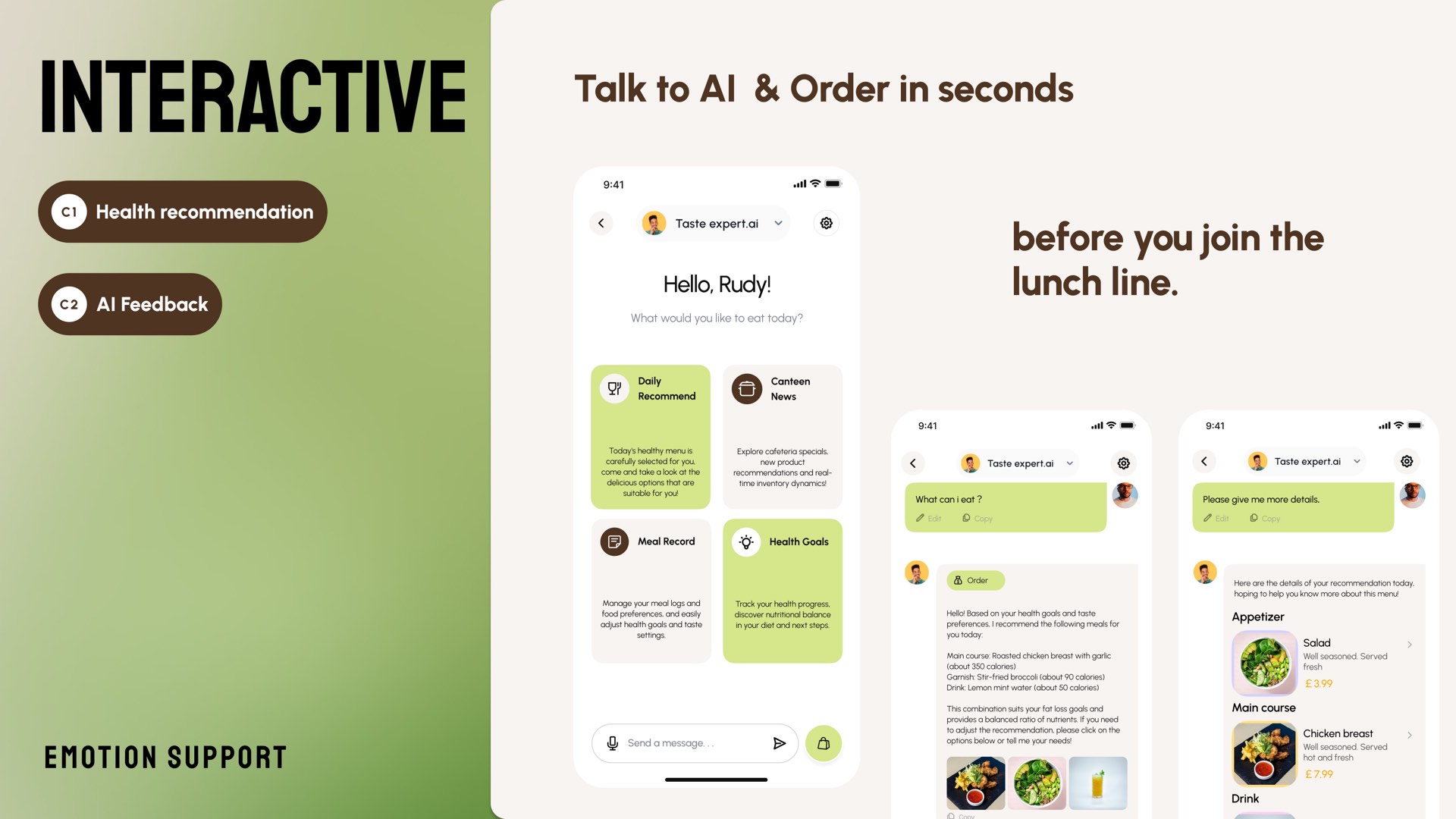
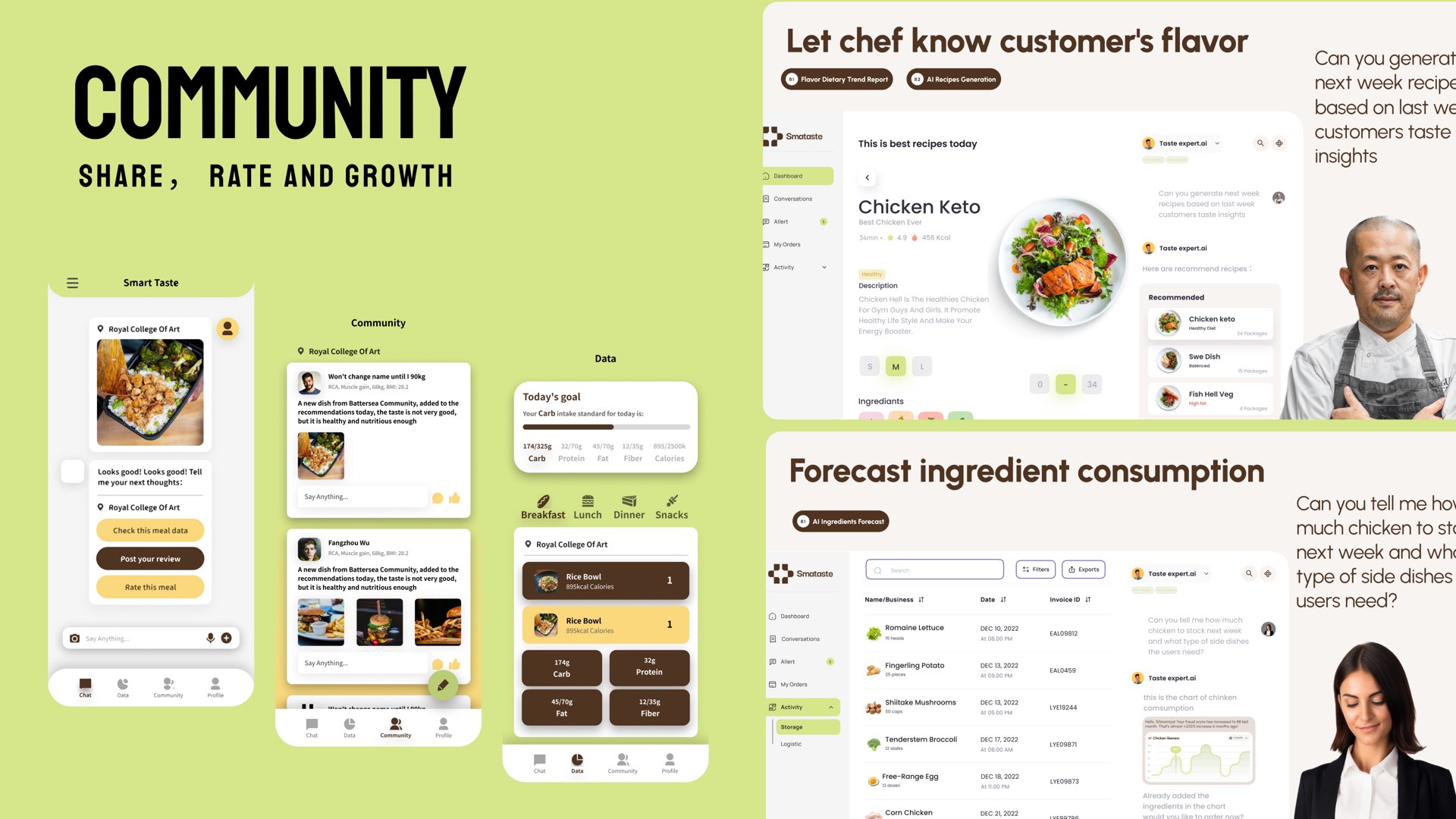
I designed the Smart Taste Index screens, recommendation explanation moments, dietary calendar, AI ordering flow, and kitchen-side dashboard logic. The prototype connected mobile setup, conversational ordering, meal feedback, flavour trends, ingredient forecasting, and recipe generation into one service journey.
The work stayed compatible with Sodexo's operational context, but the interaction goal was to make the recommendation reason visible enough for a diner and chef to challenge it.
Results & Impact
The case evidence includes 15 interviews, access to Sodexo internal research, 3 clickable prototype iterations, B2C and B2B touchpoints, a full service journey across app, dining hall, and kitchen, and external RCA recognition as 3rd Prize in the Sodexo studio challenge.
Lessons Learned
The strongest design move was treating explainability as a service contract. If the chef cannot understand the recommendation logic, the diner will not trust it either.
What's Next
If pilot data becomes available, the next question is whether the menu-heavy interface should collapse into a more AI-native dining companion after first-time setup.
Continue exploring