How can a poem's mood become a navigable spatial form?
AI Creative Technology, Human-AI Workflow
Poetic FormHow can a poem's mood become a navigable spatial form?
AI Creative Technologist, Human-AI workflow. A compact case on structured prompting, ComfyUI production, image-to-3D reconstruction, and exhibition validation.
Impact
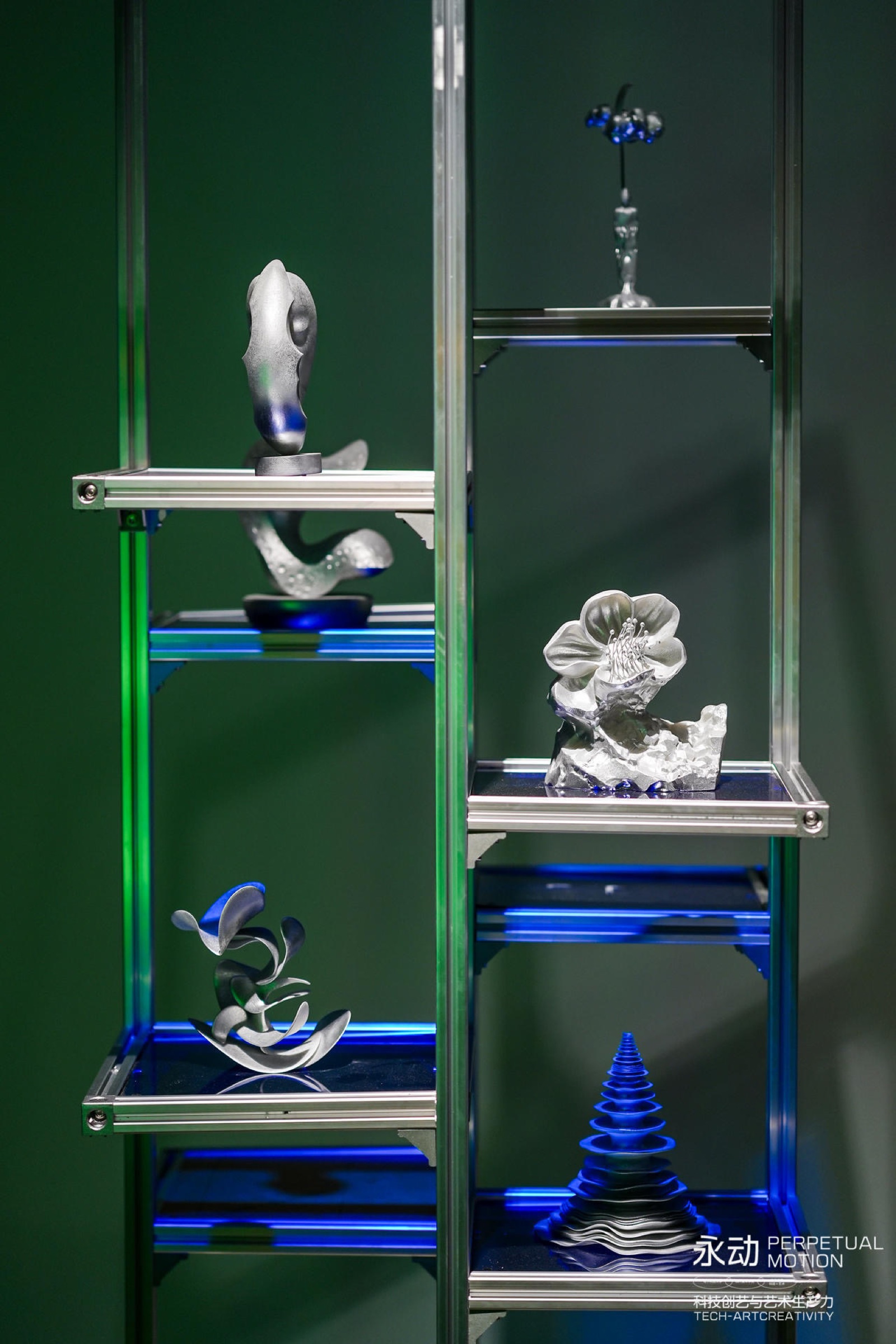
Built a repeatable Human-AI workflow that turned Song poetry into digital poem sculptures: poem interpretation, structured prompt schema, ComfyUI generation, image-to-3D reconstruction, and exhibition interaction.
Role
Timeline
Team
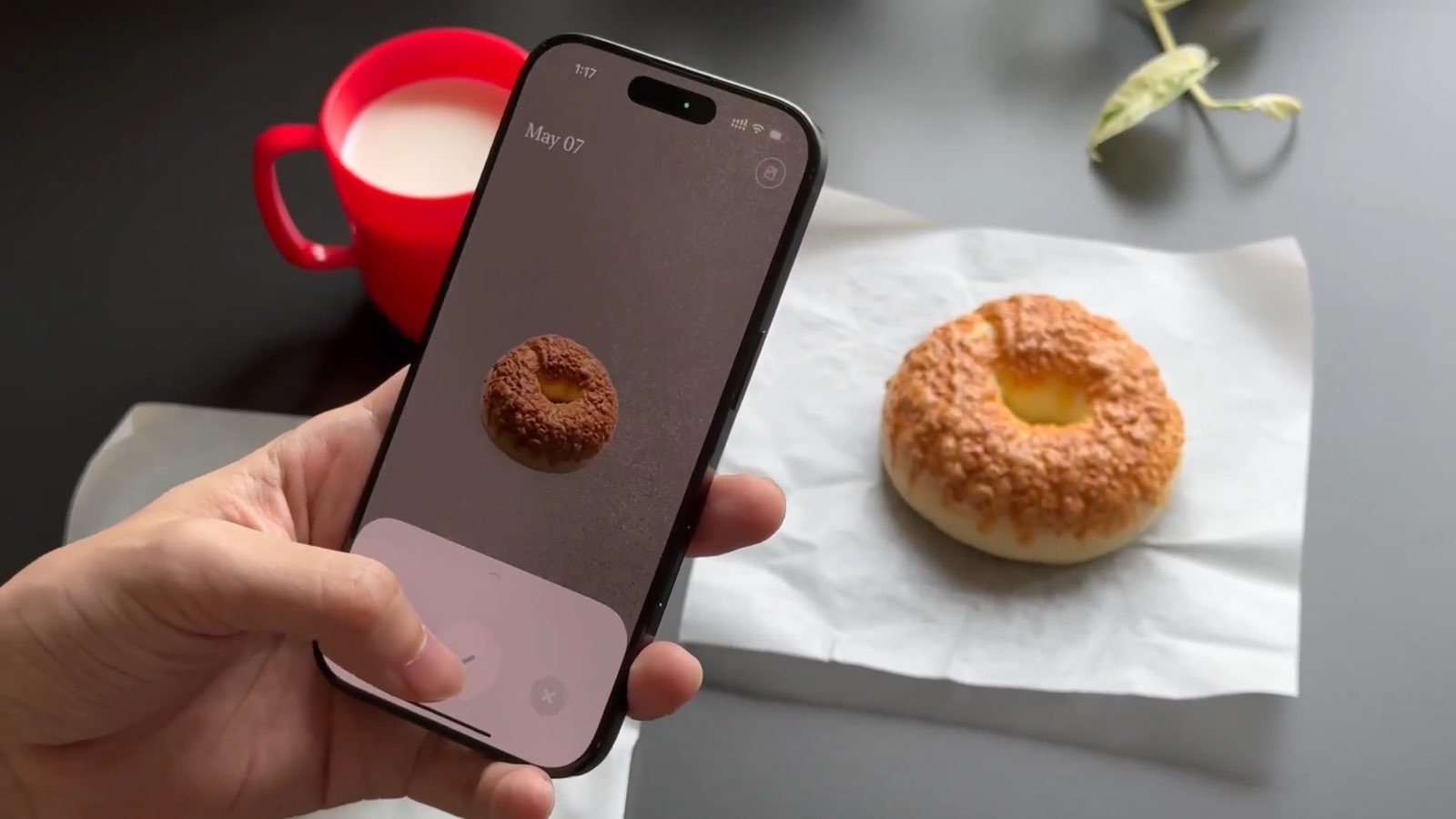
Image-to-3D Probe
Early exploration of image-to-3D reconstruction when texture and mesh generation tools were still emerging. The source OBJ was converted into a web-ready GLB and lazy-loaded so the case keeps a light first paint.
The Challenge
Most AI poetry experiments stop at illustration: a poem enters the model and a decorative image comes out. That loses the structure of the poem, especially its mood, imagery, cultural references, and rhythm.
The design challenge was to make poetic interpretation visible inside the workflow, then test whether selected images could become navigable spatial forms.
Design logic
Questions & Key Decisions
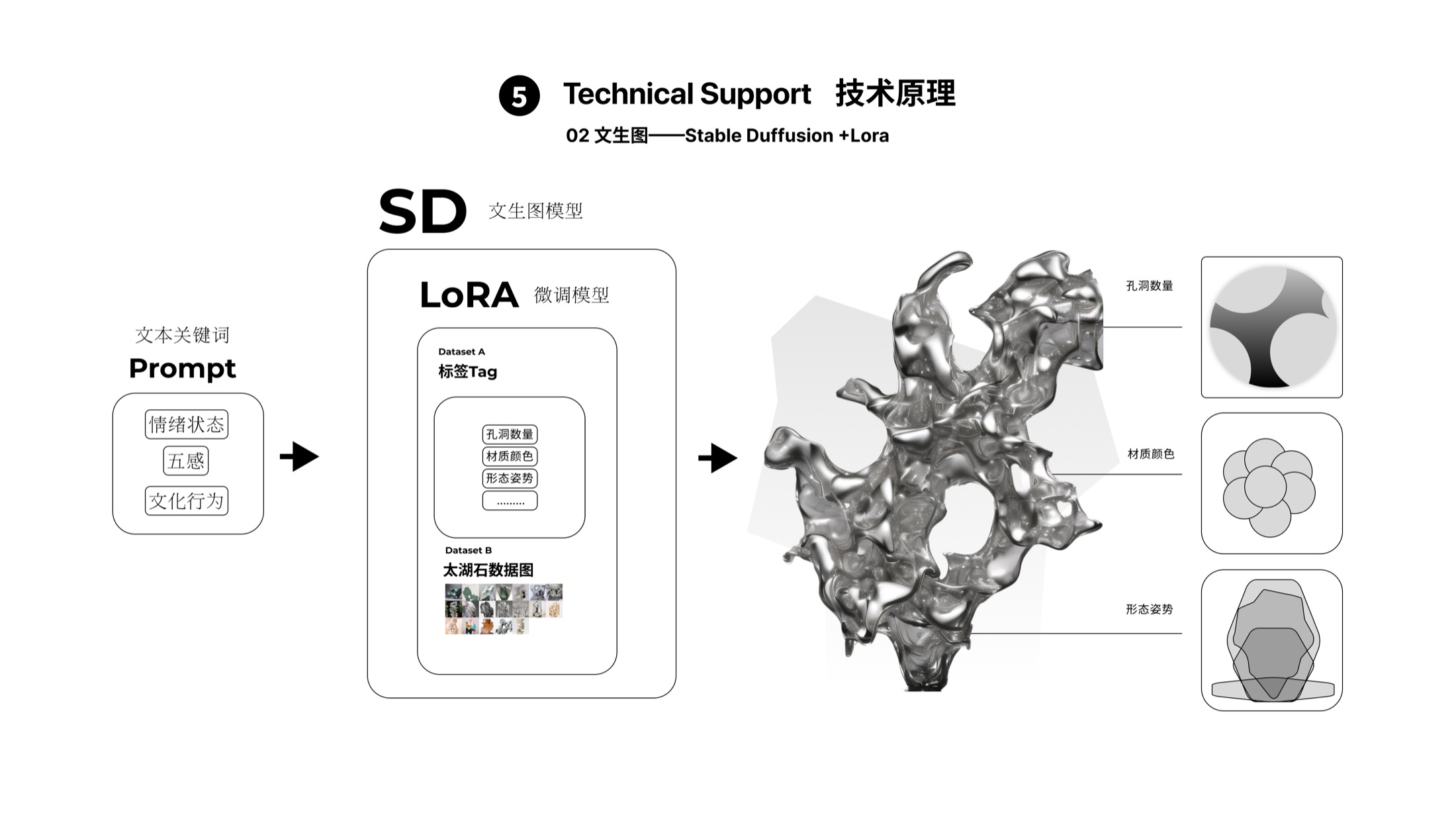
01Key decisionPrompt schema over one-shot promptingA direct poem-to-image prompt produced decorative images without a traceable relation to the poem.
- Problem
- A direct poem-to-image prompt produced decorative images without a traceable relation to the poem.
- Decision
- I translated each poem into variables for mood, imagery, cultural object, material, perspective, and medium.
- Why it worked
- The schema kept the model responsive to a designed interpretation layer rather than a loose sentence.
- Outcome
- each output can be reviewed through poem meaning, prompt variables, visual judgement, and later reconstruction potential.
02Key decisionVisible workflow from ComfyUI to spatial formFinal renders alone made the project look like image taste, not AI system design.
- Problem
- Final renders alone made the project look like image taste, not AI system design.
- Decision
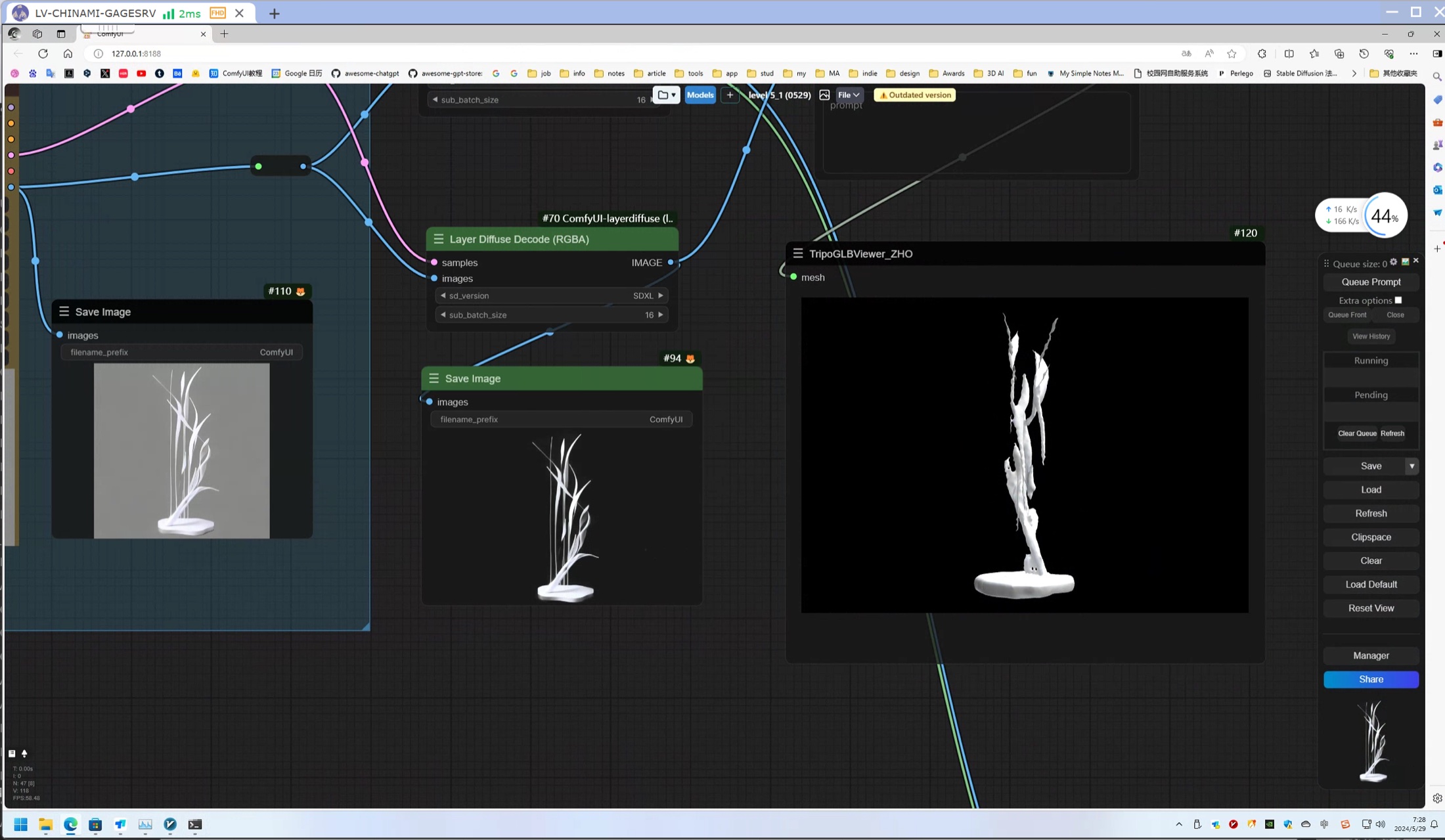
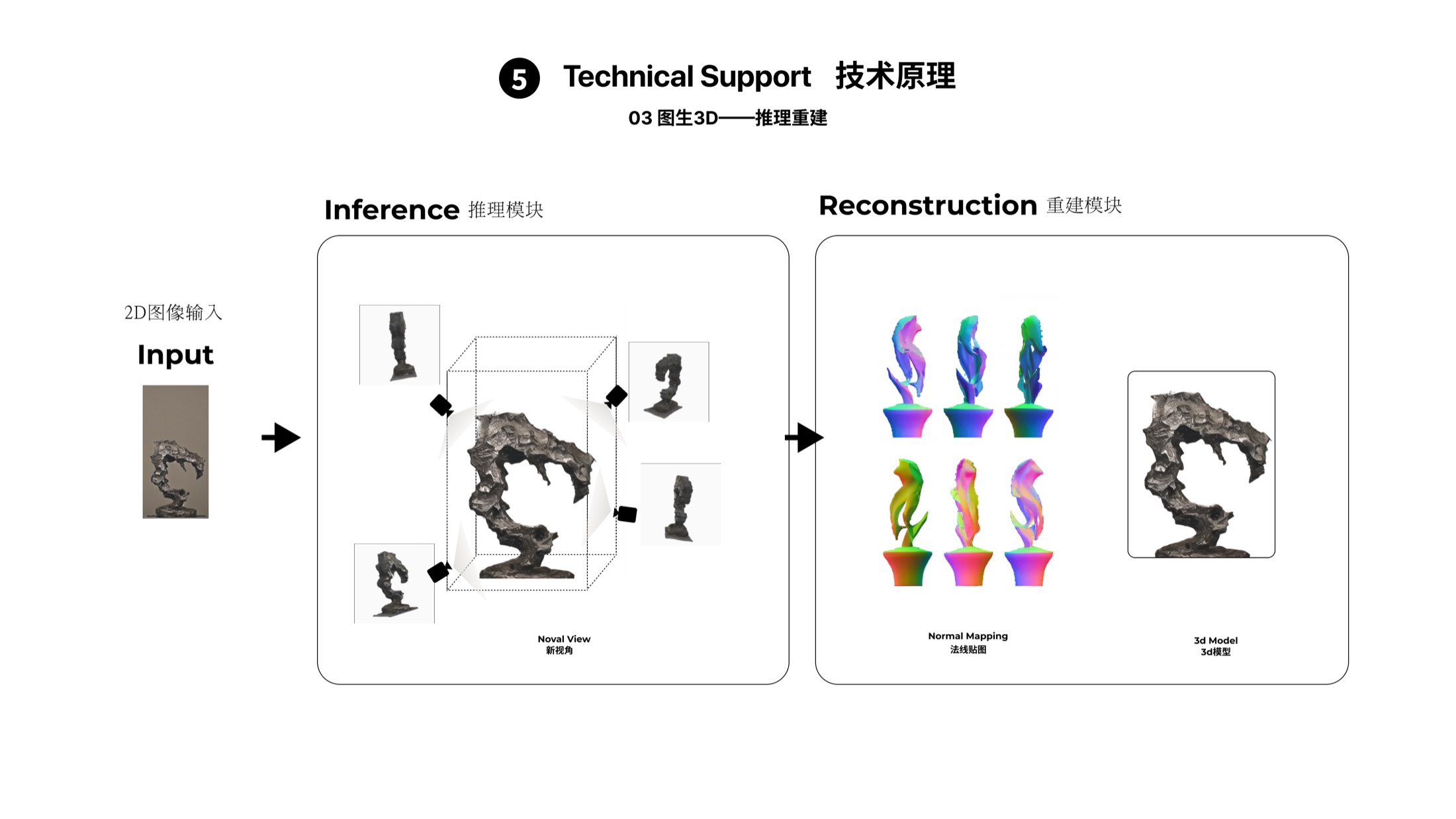
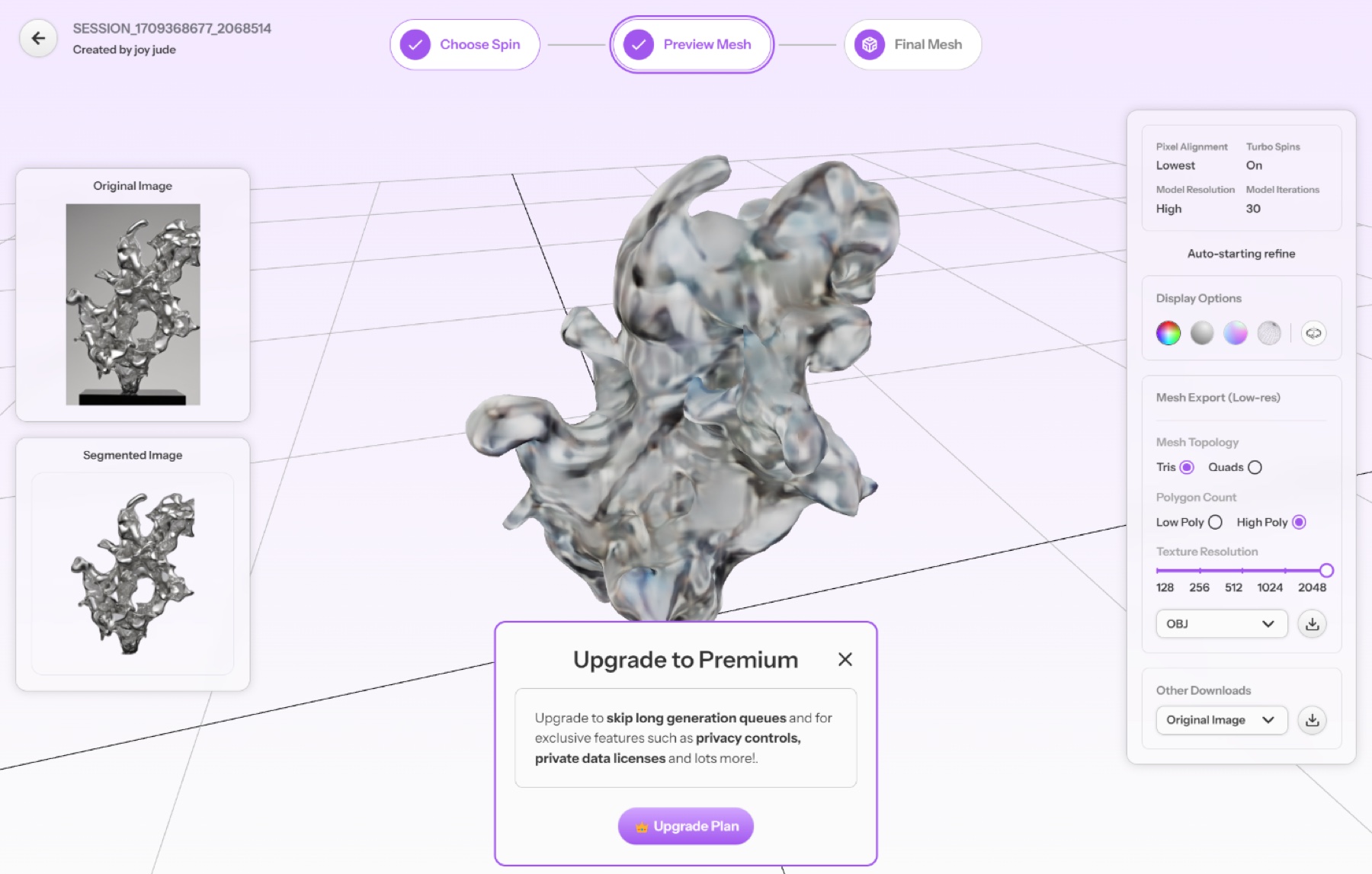
- I exposed the ComfyUI graph and tested image-to-3D tools to move selected outputs into spatial artifacts.
- Why it worked
- Showing the pipeline made iteration, model control, and human curation part of the design evidence.
- Outcome
- the case shows ComfyUI screenshots, image-to-3D platform evidence, a GLB probe, and final exhibition documentation.
Research & Discovery
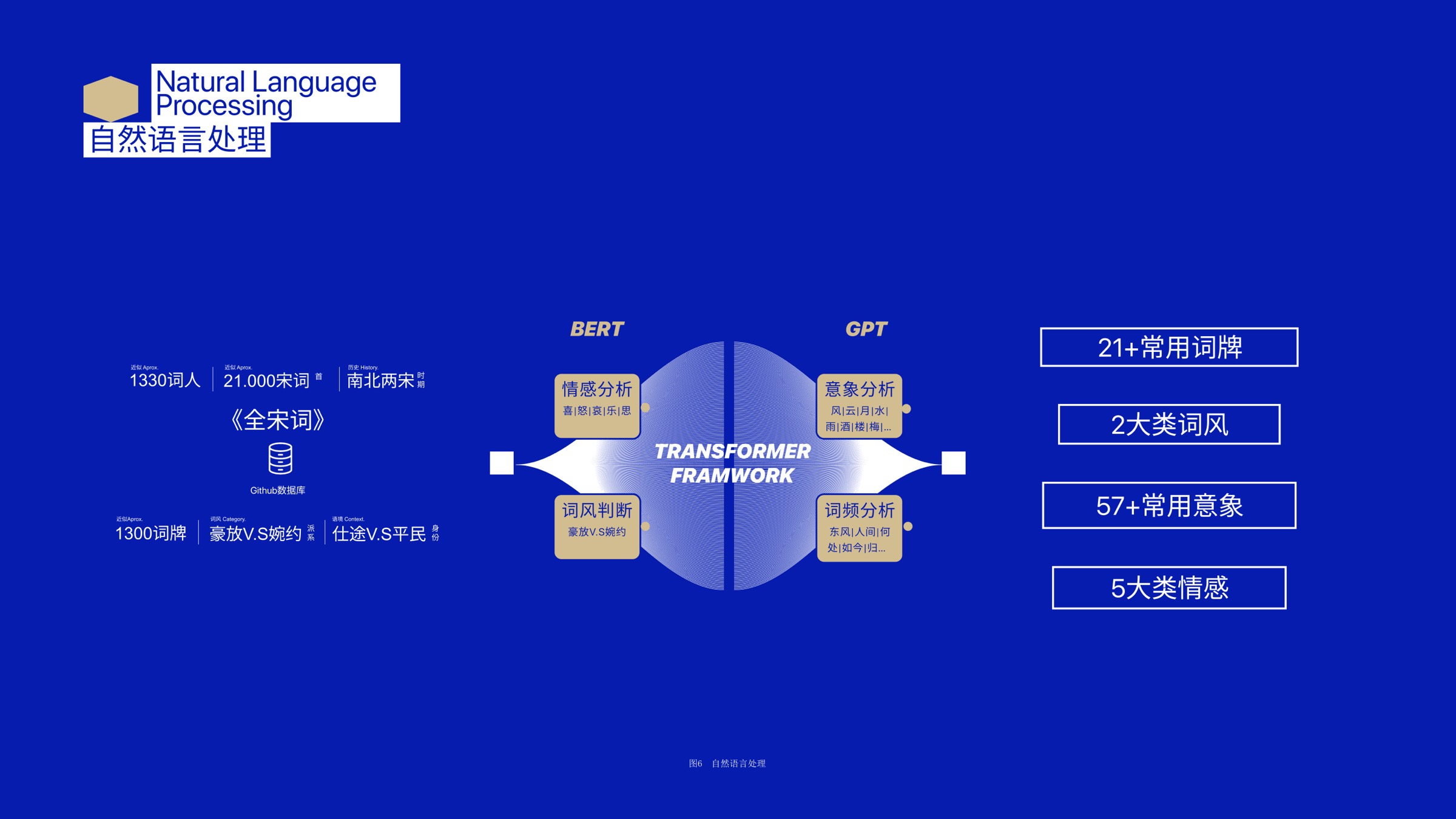
I treated the poem as structured material rather than a sentence to decorate. The research mapped Song Ci imagery, emotional tone, word style, cultural objects, and sensory cues into variables a generation workflow could use.
That revealed the authorship problem. AI could produce variation, but it could not decide what counted as poetic fidelity. The designer had to stay in the loop: selecting source meaning, defining the schema, tuning prompts, curating outputs, and deciding which results deserved reconstruction.
Design Strategy
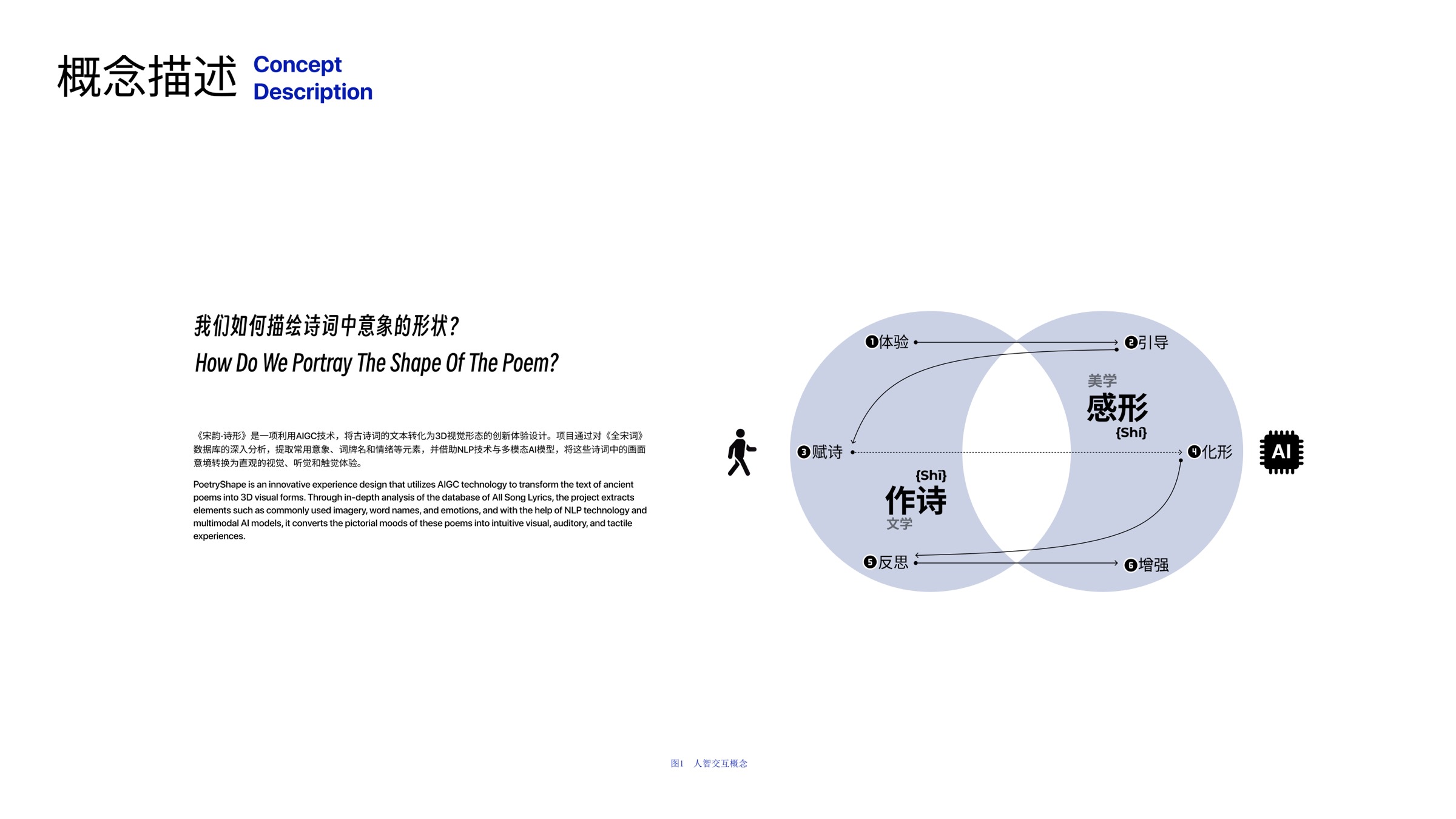
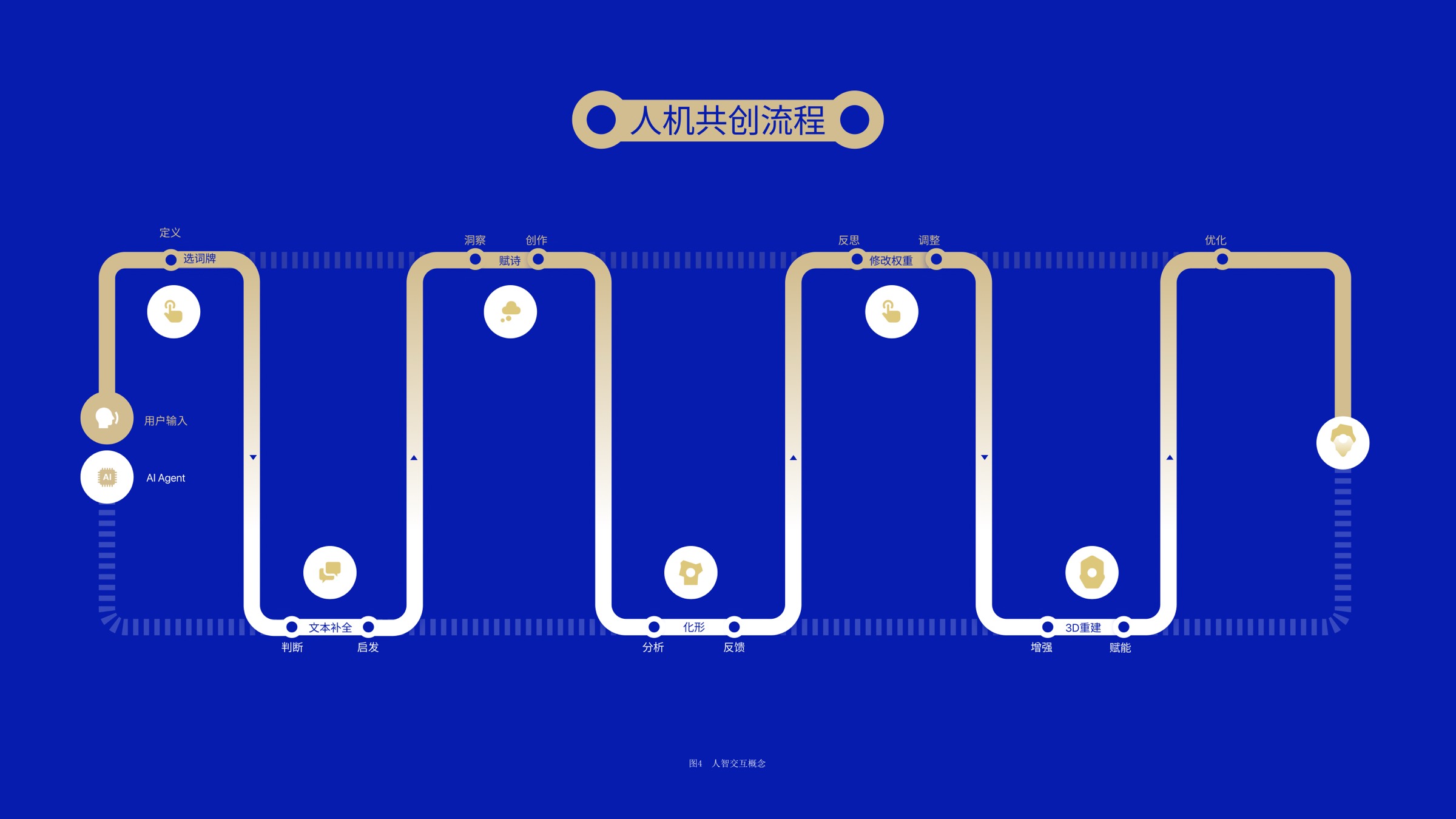
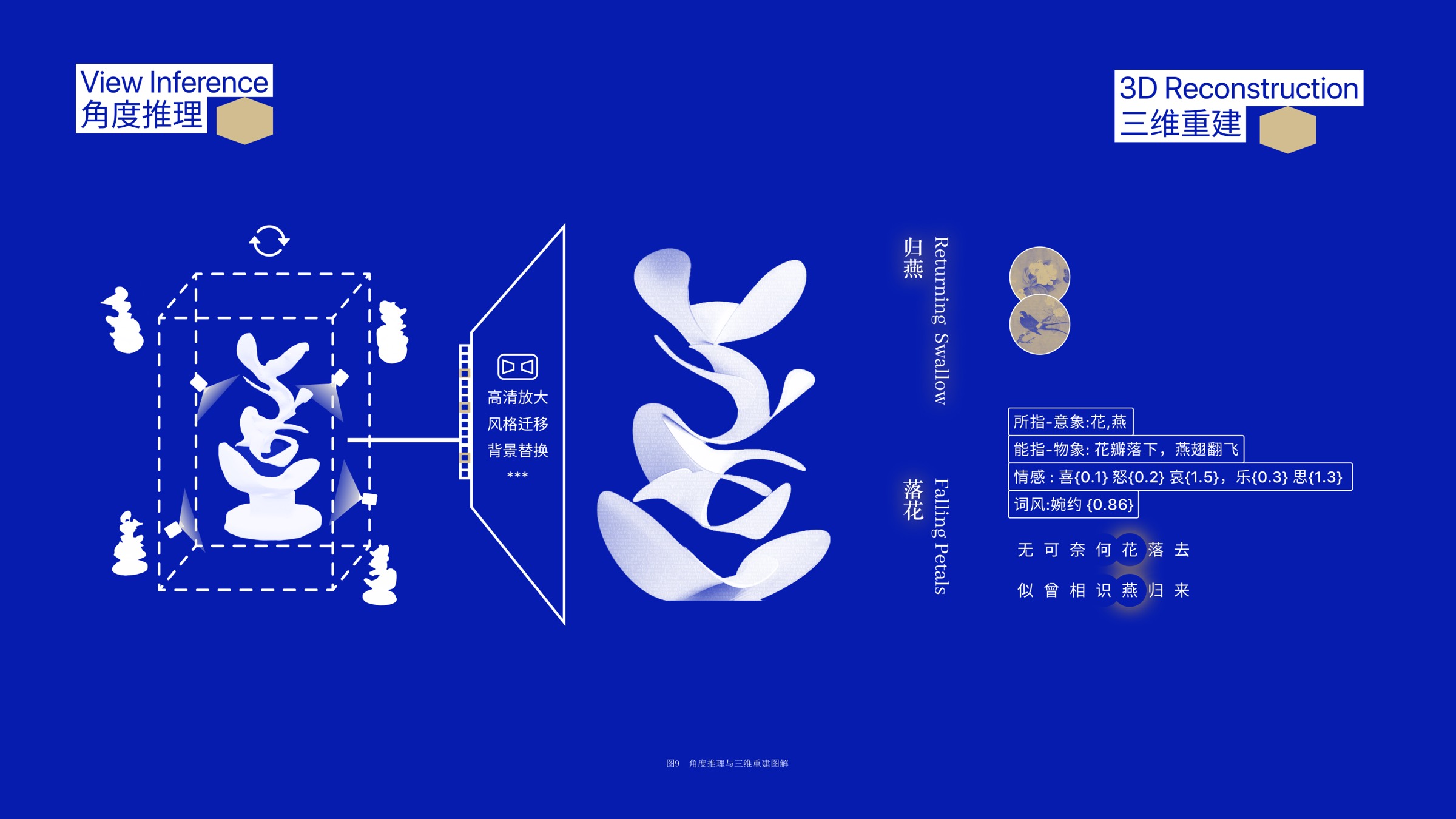
The case is structured as one workflow: poem interpretation, structured prompt, ComfyUI generation, image-to-3D reconstruction, exhibition object.
- Interpretation turns mood, imagery, culture, and material cues into design inputs.
- The prompt schema keeps those inputs legible across iterations.
- ComfyUI becomes the node-based co-creation environment, where the workflow can be adjusted rather than hidden.
- Image-to-3D tools turn selected results into spatial probes for a digital garden and physical exhibition.
Implementation & Pipeline
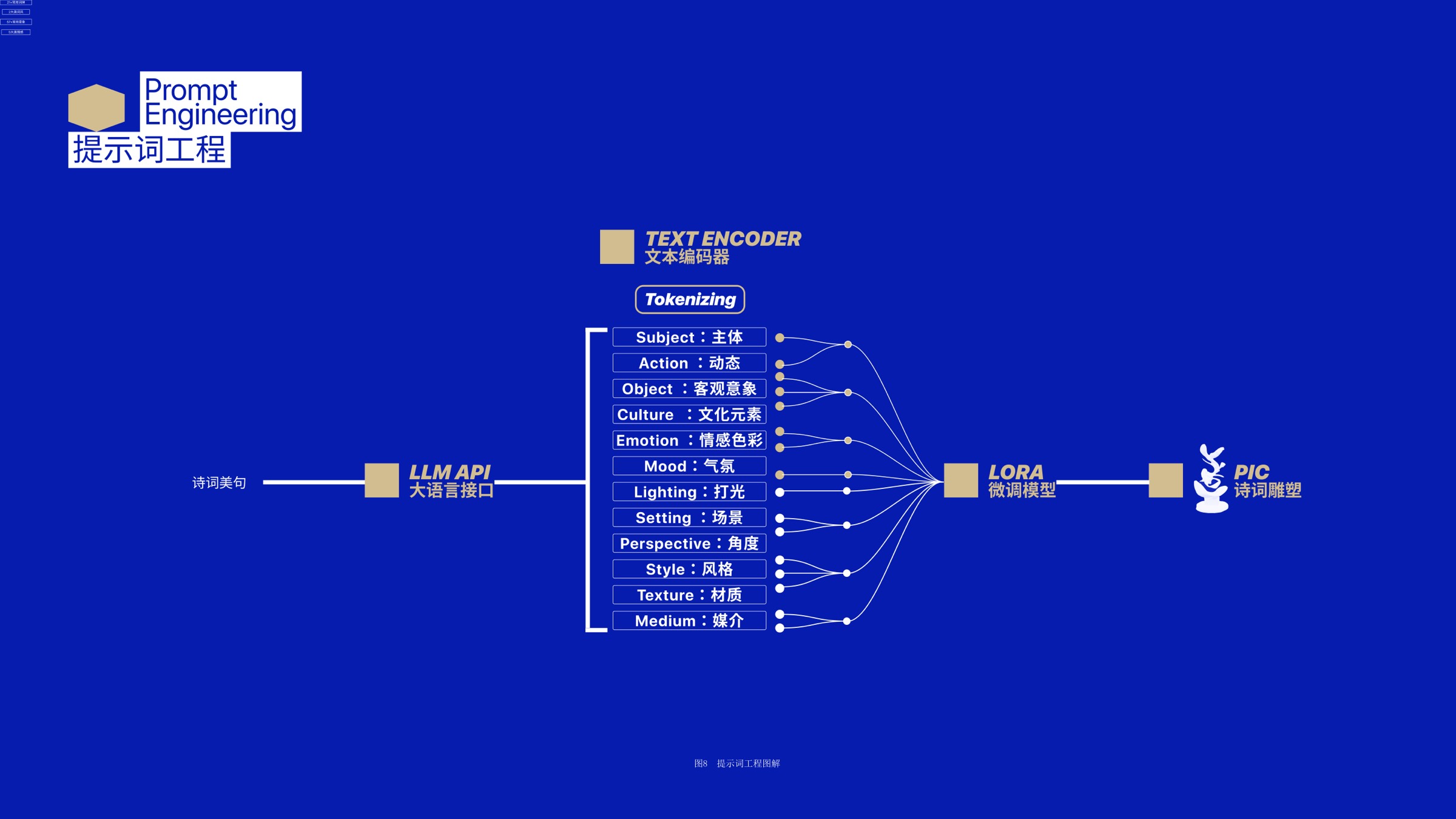
I designed the prompt schema around subject, action, object, culture, emotion, mood, lighting, setting, perspective, style, texture, and medium. That made the poem actionable without flattening it into one prompt.
ComfyUI handled the generation layer as a visible, adjustable graph. Selected images then moved into emerging image-to-3D tools, including CSM-style viewers, Fantasia3D references, and TripoSR probes. The point was not to claim perfect mesh quality. It was to test whether generated poetic imagery could become a spatial object visitors could orbit, compare, and encounter in an exhibition.
Results & Impact
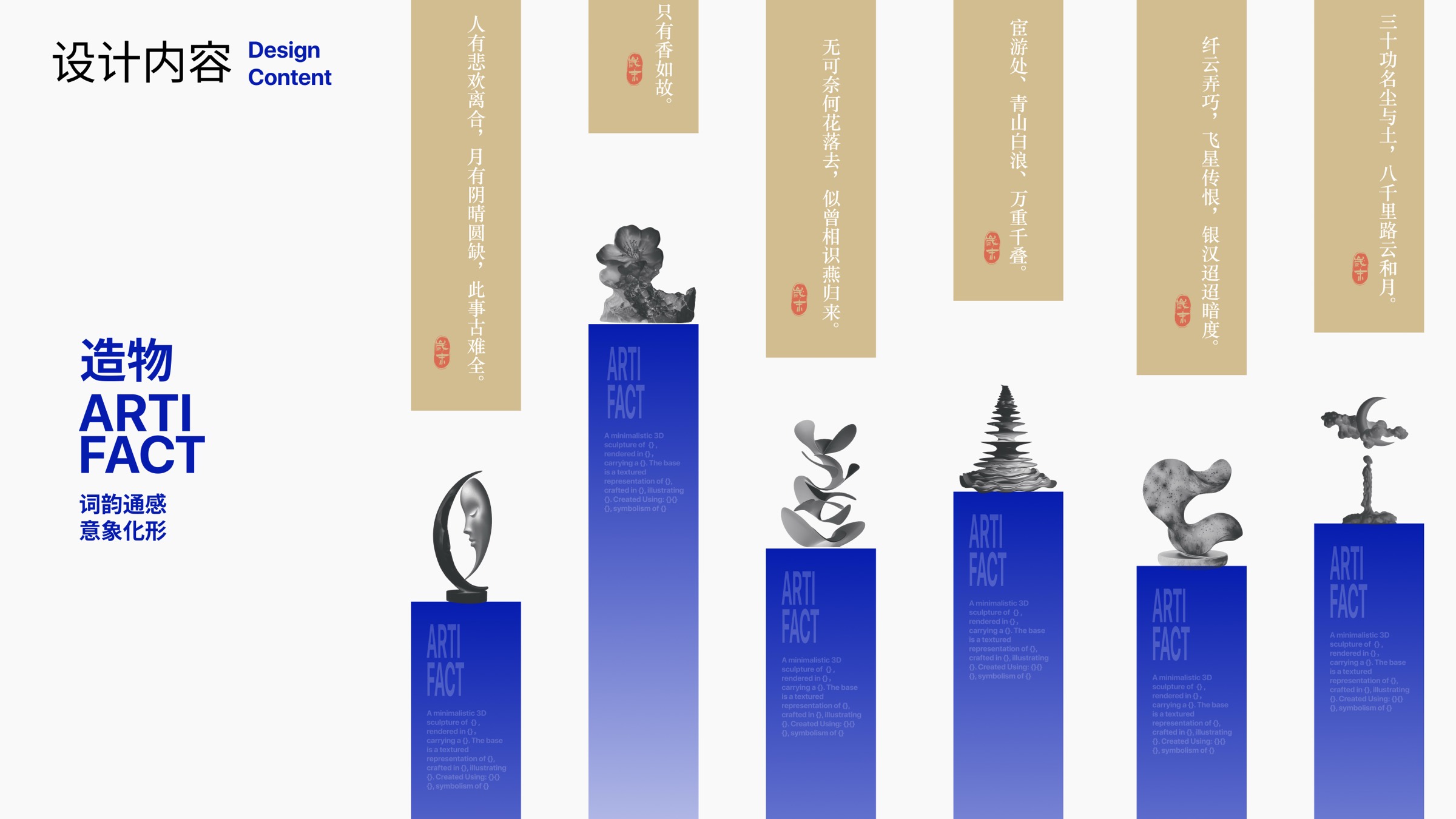
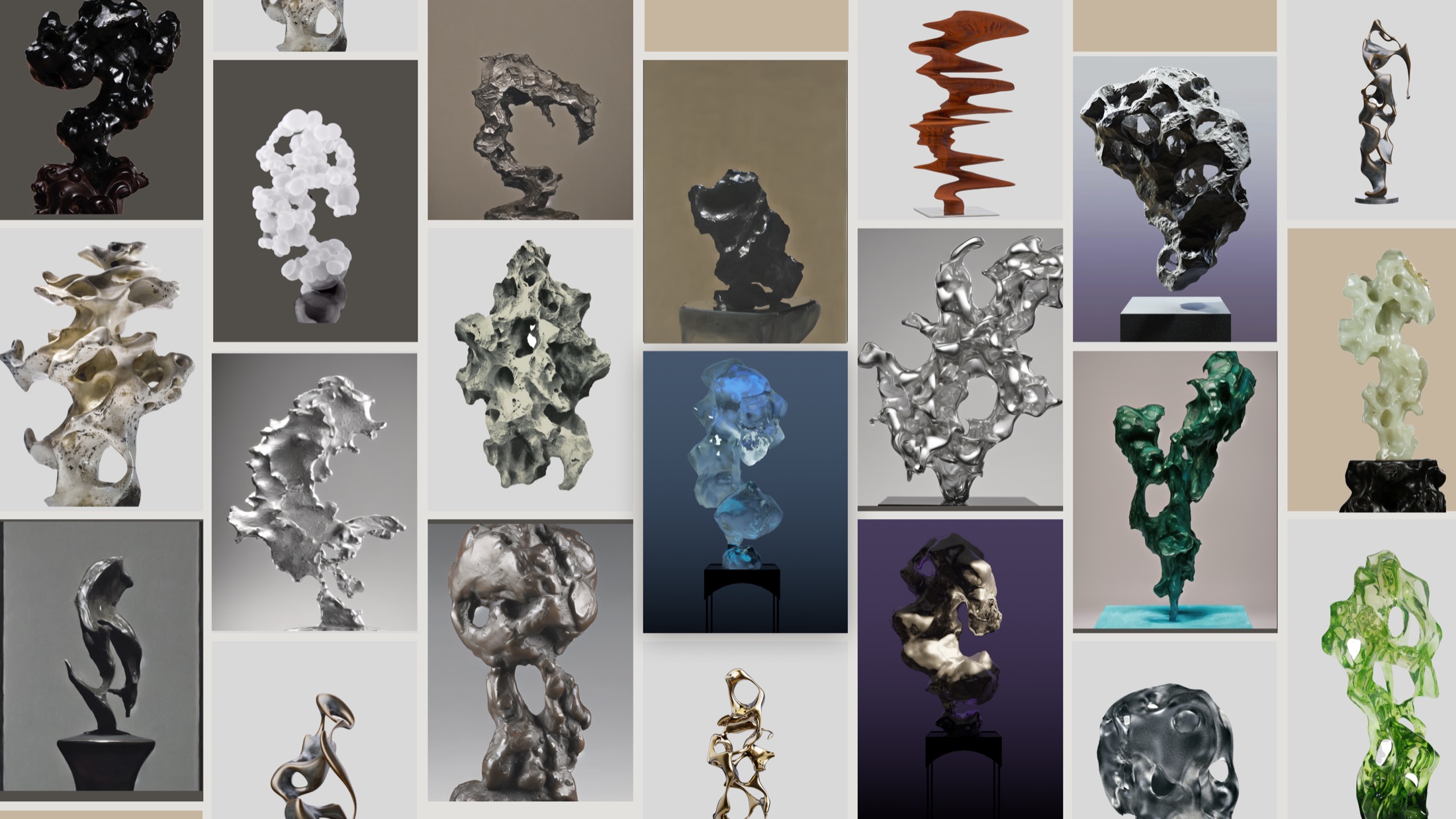
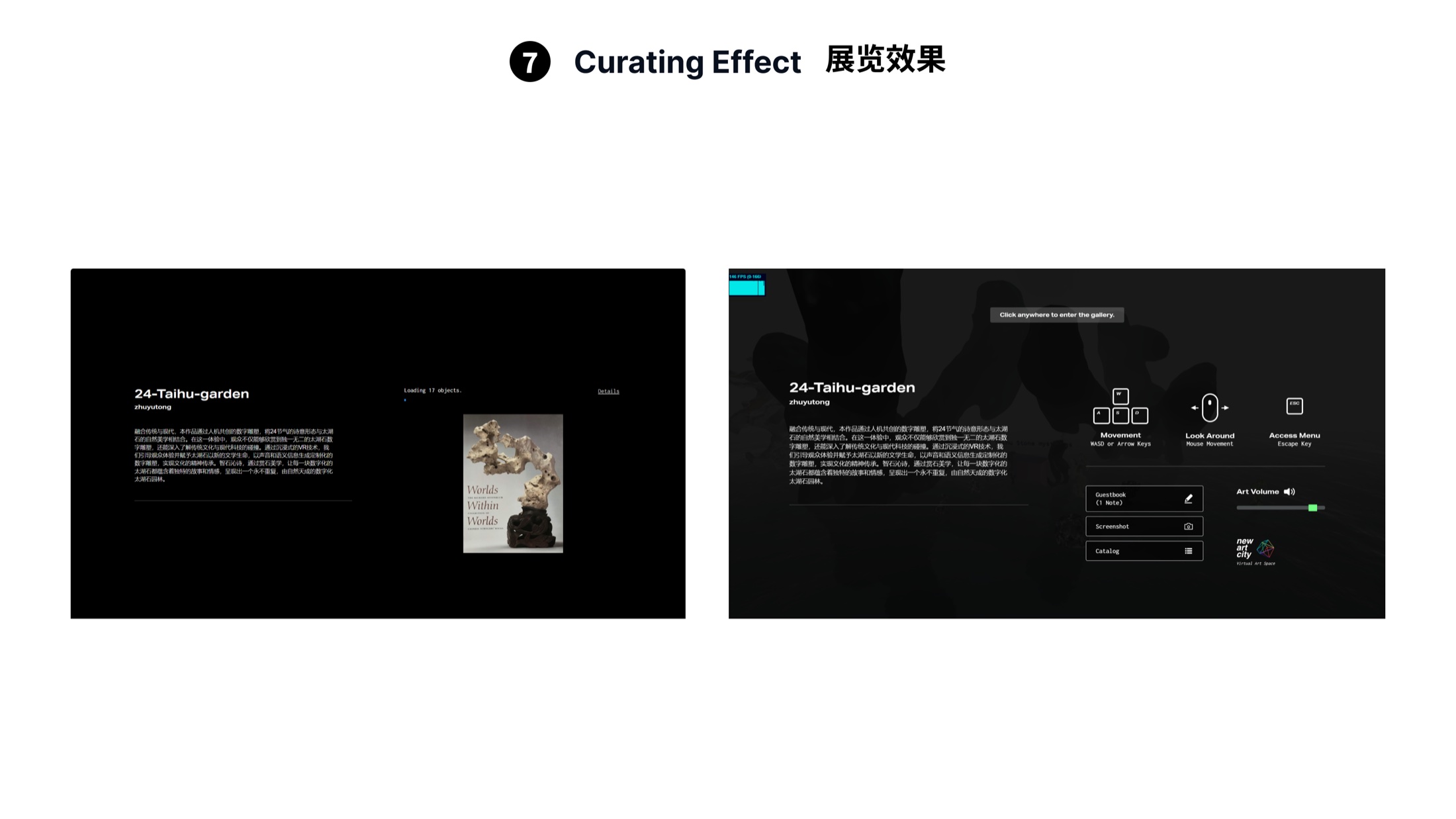
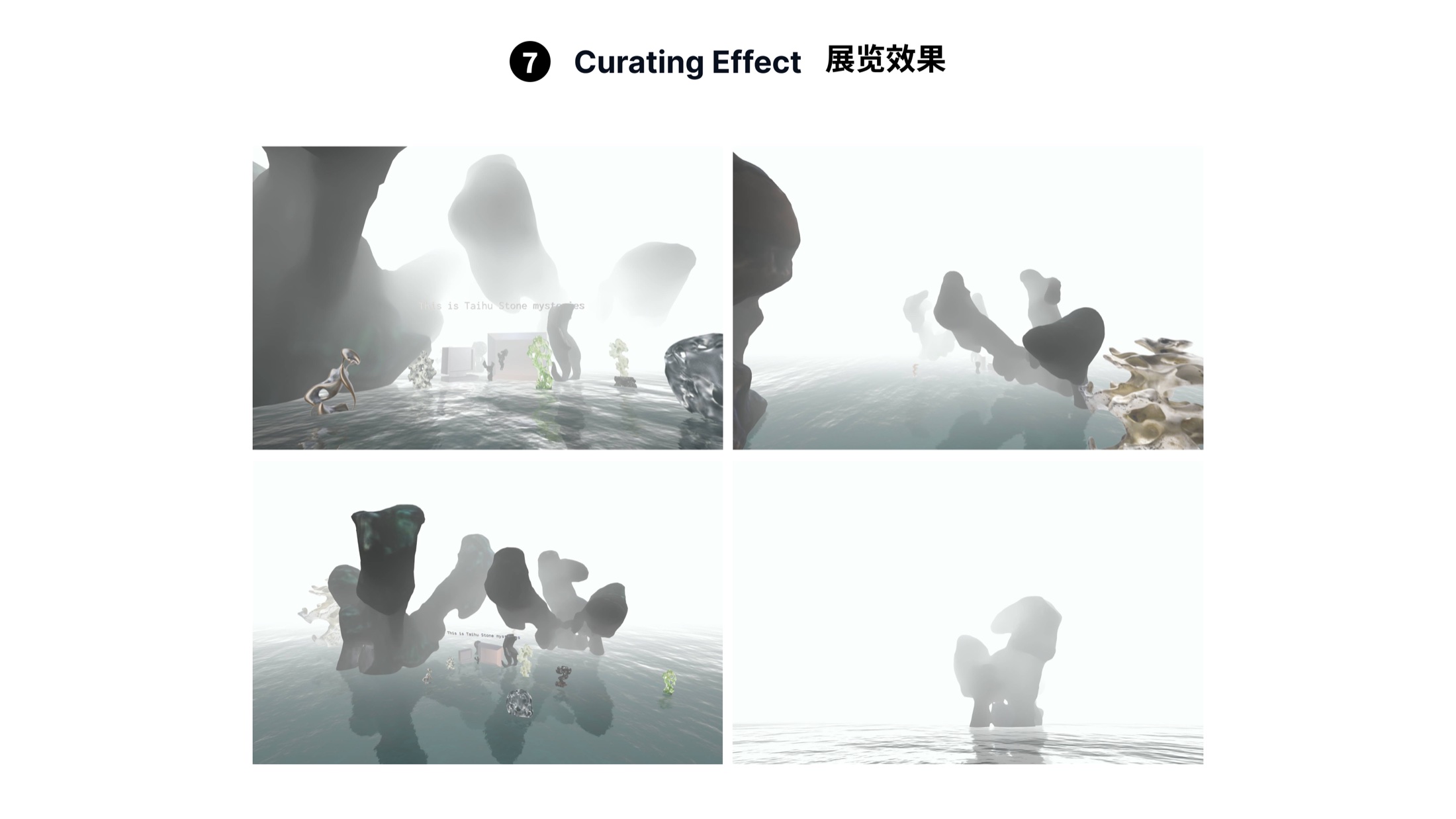
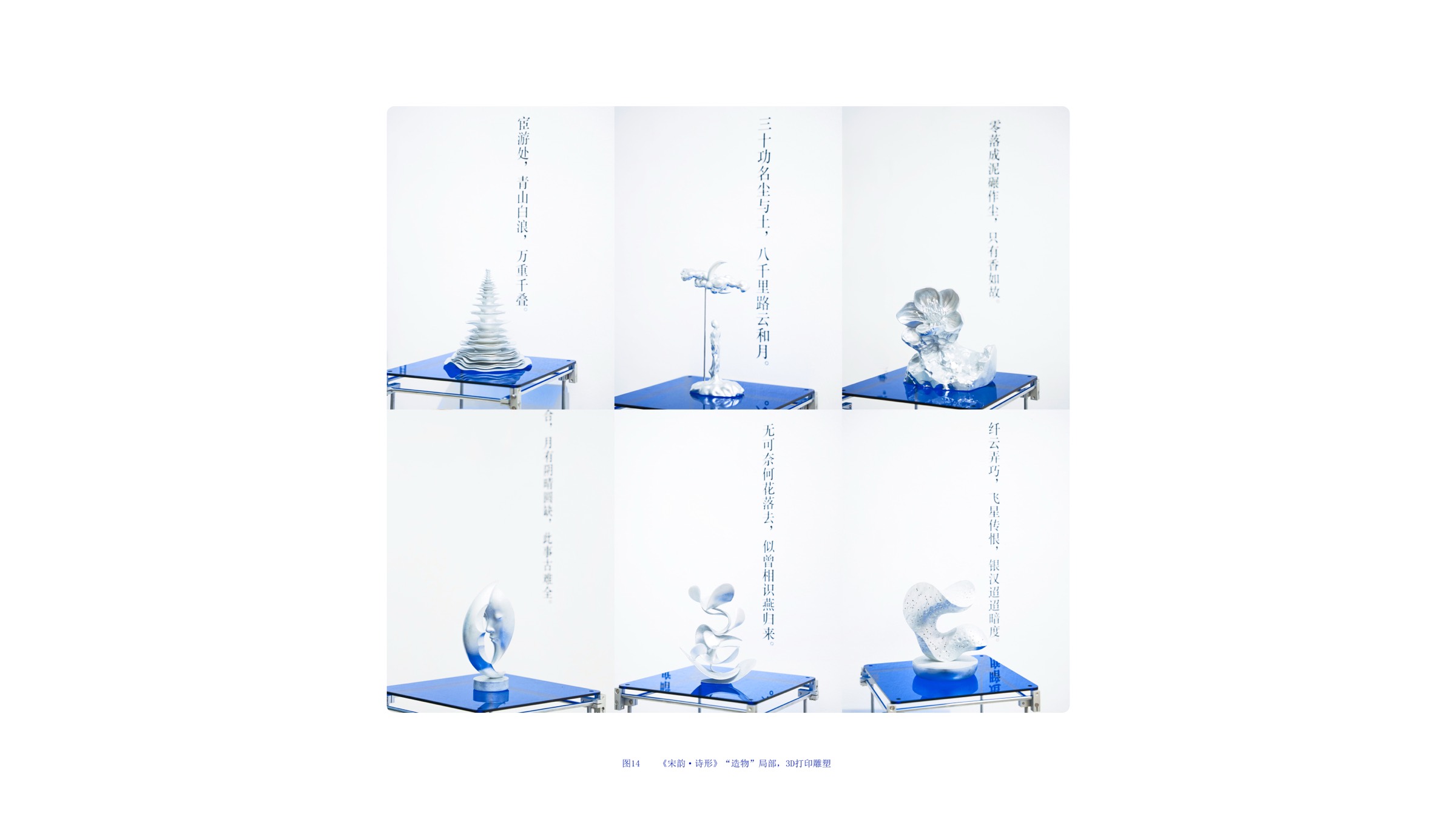
The final exhibition combined a workflow wall, a digital garden interface, poem-inspired sculptures, and screen-based interaction. Visitors could see both the artifacts and the production logic behind them.
The strongest result is the method. Poetic Form shows how a designer can orchestrate prompt systems, ComfyUI workflows, image-to-3D tools, curation, and exhibition display into one Human-AI creative process.
Lessons Learned
AI craft is not only output quality. The important design work sits before and after generation: defining the schema, choosing what the model should preserve, deciding what humans must judge, and making the workflow visible enough for others to trust.
What's Next
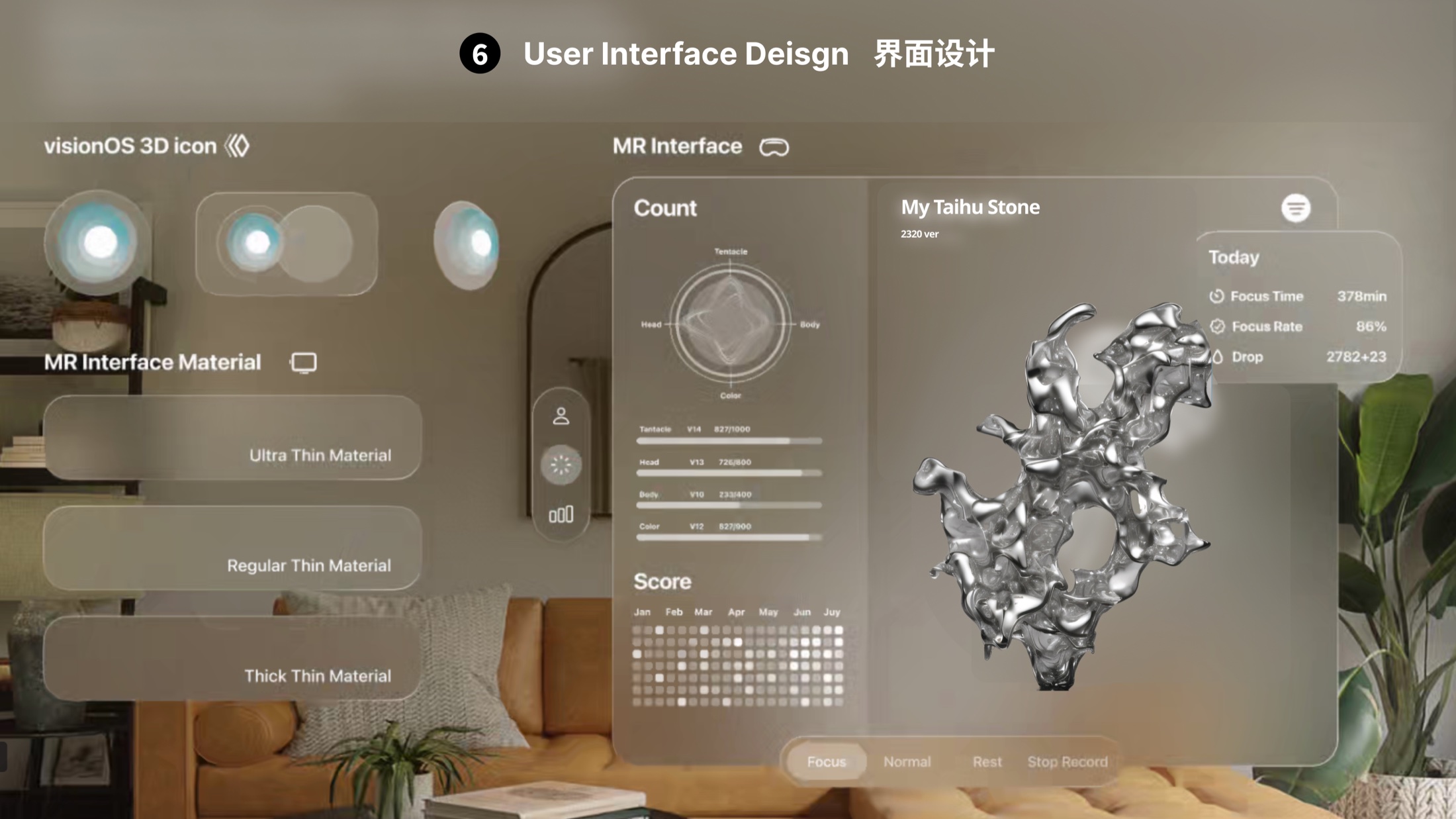
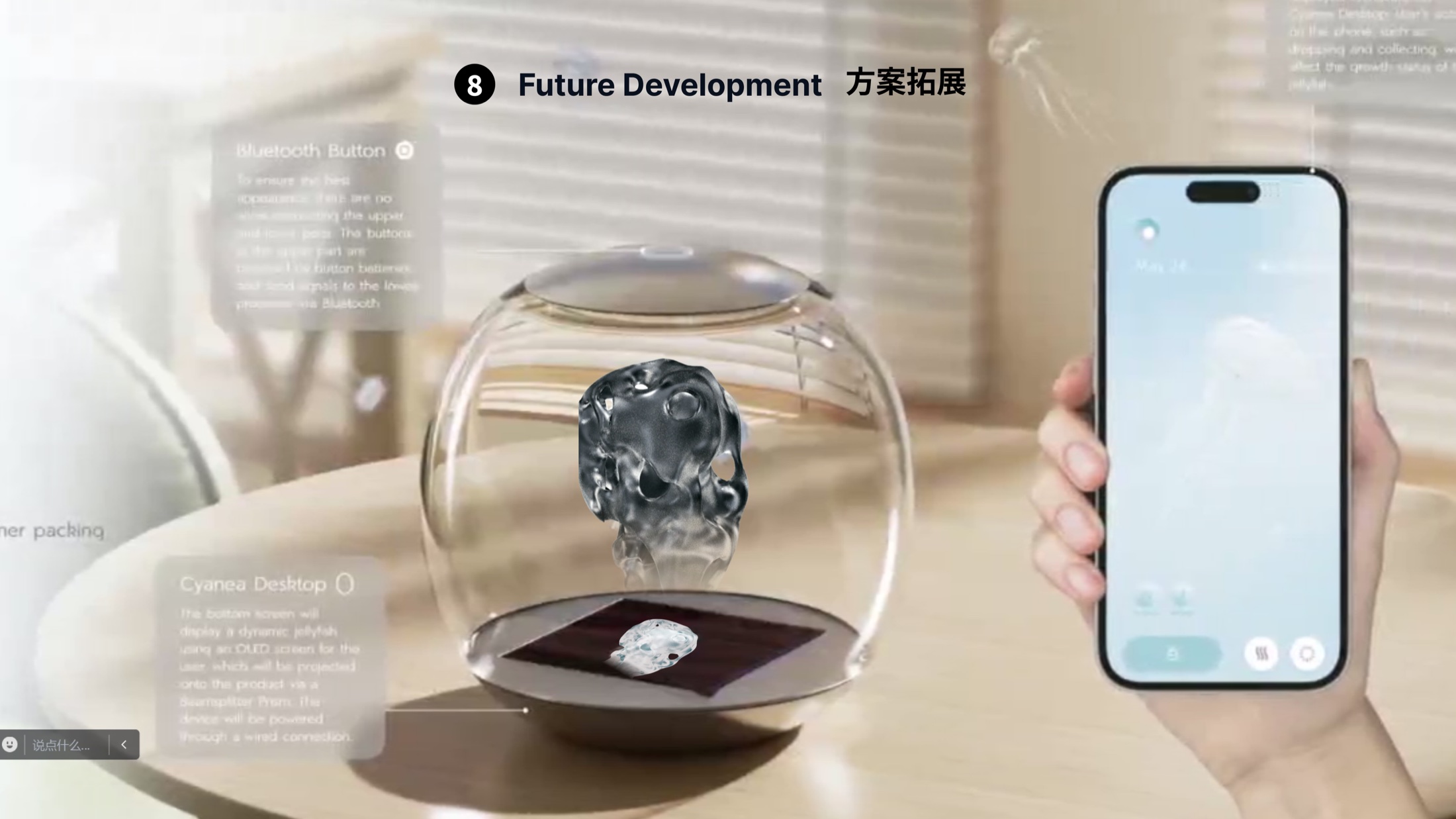
The next direction is spatial computing: poem-sculptures as ambient desktop companions or MR artifacts that sit in a room, respond to context, and keep their poem-to-form lineage visible. These are future probes, not shipped products.
Continue exploring